
Bulgaria is the oldest country in Europe that hasn’t changed its name since it was first established, in 681 AD.
The homeland of yoghurt and the world's second-biggest exporter of rose oil, the ingredient in most perfumes, Bulgaria is a land of fascinating contrasts, with a European identity that's rooted in a unique blend of Indo-European ancestors (migrating from Asia), with Muslim and Christian ingredients, and adding 50 years of Soviet communism heritage.
Join us, visiting through a series of significant destinations for the Bulgarian civilization, and understanding how a small country on the cross road between Europe and Asia had a remarkable role in shaping nowadays European identity! Traveling with us you’ll experience testimonies of prehistoric life, neighborhood cafés, rustic mountain villages, and humble monasteries!
Feel free and relax into fresh and exotic caves and waterfalls, superb natural wonders fashion by Mother nature!
Departures: All year
Duration: 6 days / 5 nights
PRIVATE TOUR: by car / minivan
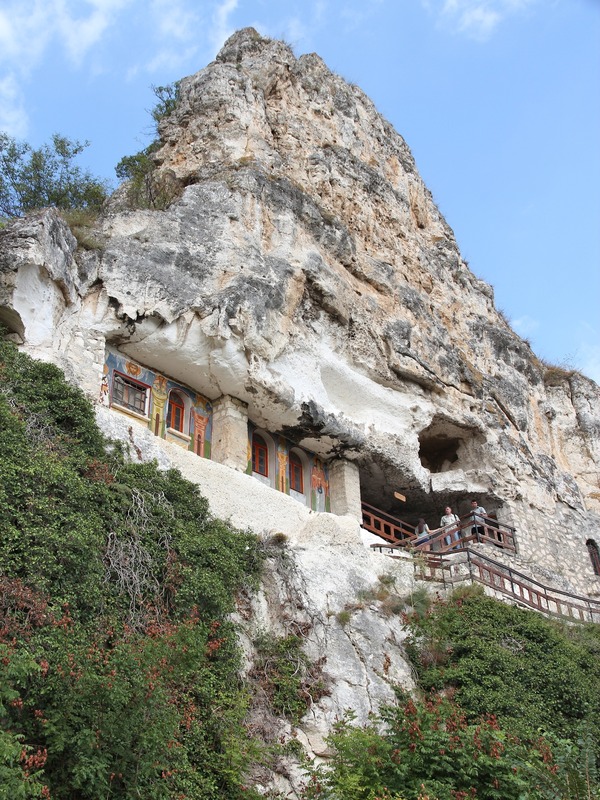
First stop after leaving Bucharest: Ivanovo - UNESCO rock-hewn Churches of Ivanovo are a complex of rock-hewn churches, chapels, monasteries and cells situated in the North-Eastern Bulgaria. Hermits cut the first cells and churches into the natural rock along the riverbed during the 12th century. The entire complex was built between the time of the Second Bulgarian State (1185-1396) and the conquest of Bulgaria by the Ottoman Empire (late 14th century).
Discover the lifestyle of the 18th century Bulgarian merchants and craftsmen by exploring the architectural reserve of Arbanassi village, located on a plateau offering visitors spectacular views of Veliko Tarnovo and the neighbor Balkan Mountains.
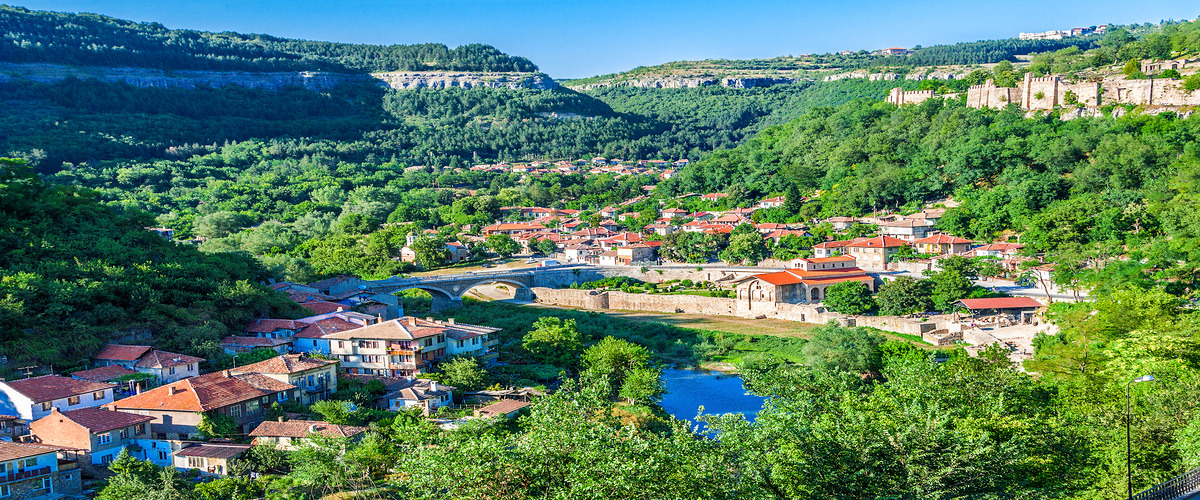
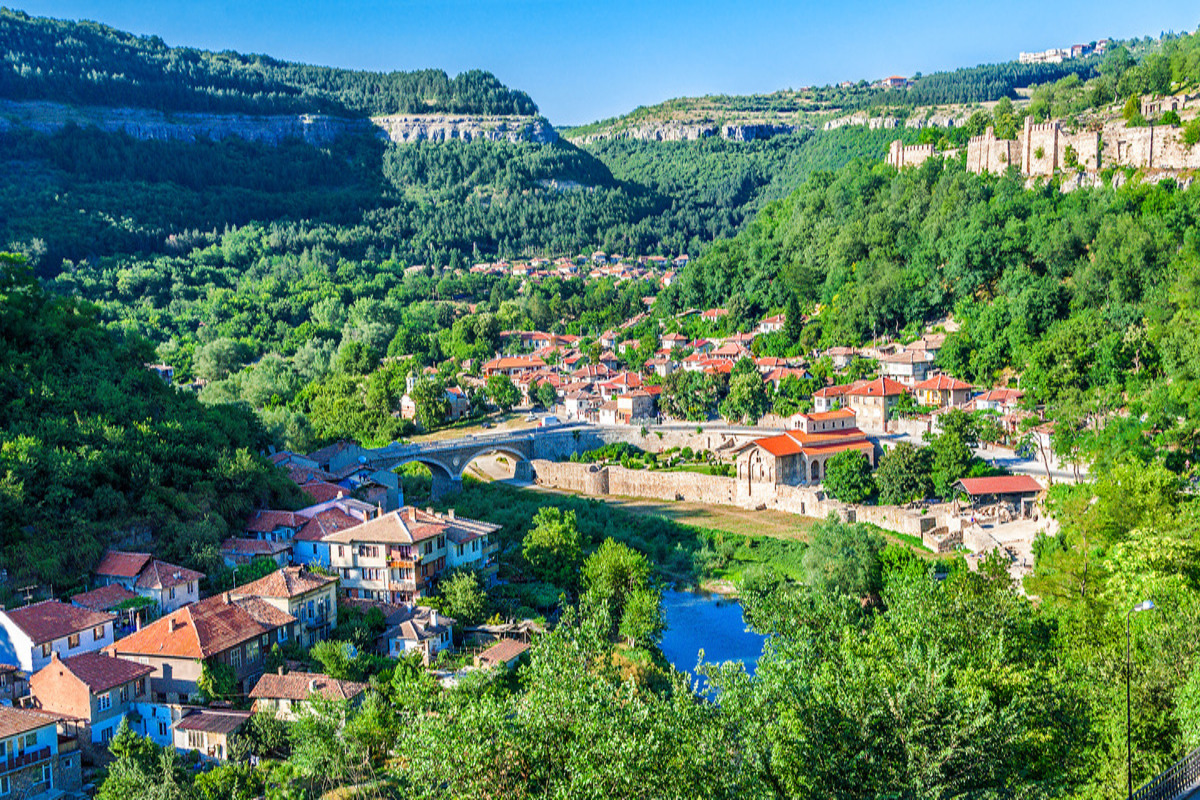
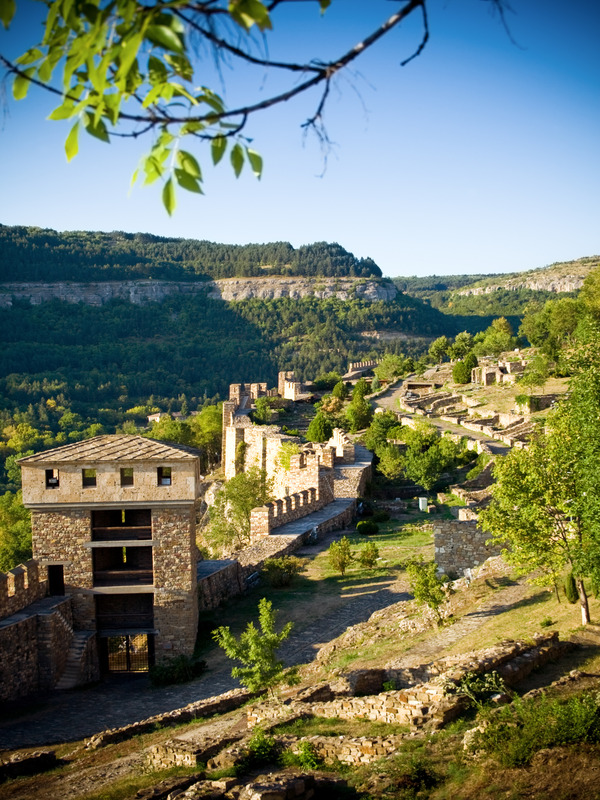
Enjoy the afternoon tour to Bulgaria’s medieval capital, a must-see attraction – as it is presented in most tourist guide books. Veliko Tarnovo represents the grandeur of the Second Bulgarian Empire at its peak. Admire some of the most spectacular sceneries from Yantra river canyon, at whose shelter Veliko Tarnovo was built. Take a walking tour in the medieval hill-fortress Tsarevets, the former capital of Bulgaria from the 12th-14th centuries. You’ll enjoy the cobblestone streets, the views from Tsarevets, the little cafes (including the real Turkish coffee in the hot pot!) and the artisan shops from the old town.
Accomodation in Veliko Tarnovo.
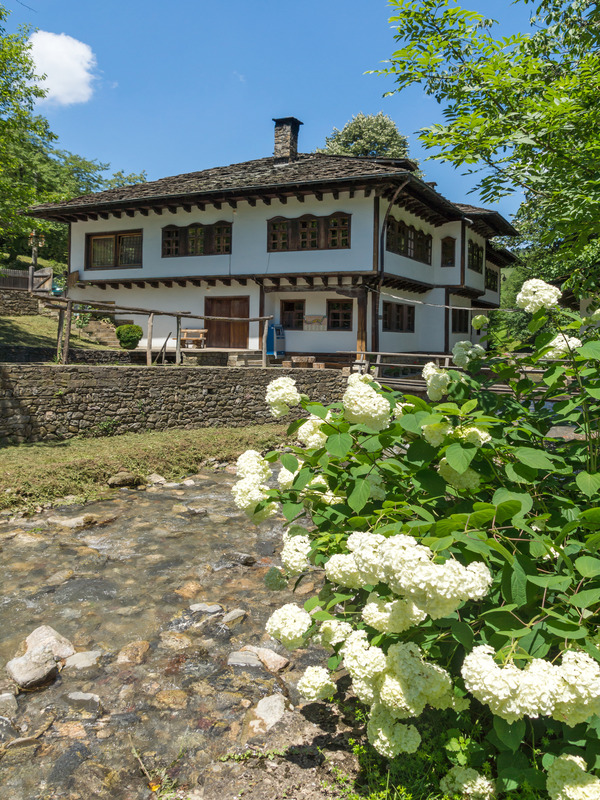
Etara – This Ethnographic Museum recreates the atmosphere of Bulgarian towns and villages from the 18th and 19th century. The buildings, copies of actual houses from that period are decorated with ornaments and symbols, typical for the architecture practices 200 years ago, giving access to a place that keeps the memory of the Bulgarian customs and traditions alive. Here the water of Iantra river sets in motion the wheel of a centuries-old water-mill, and the cobbles under the traveler’s feet remind them that genuine beauty in life hides in experiencing the emotion of getting in touch with the craftsmanship of Bulgarian ancestors. Workshops of working metal, animal skins, wood, clay, wool, goat’s hair and other natural raw materials are displayed here, as well as local food recipes - simid bread, banitsa cheese pie and sesame rings, relish damson cheese, white candy in water, halva, homemade bonbons and other dainties
The Thracian Tombs from the Rose valley. They are mostly unknown to researchers due to their lack of script, and many of the things we know about them are from foreign historians and the evidence left in their monuments: rock sanctuaries and tombs from the 4th century BC. We mention here just a couple of examples worth to pay a visit: the tomb of Seuthes III (the king of the Odrysian Kingdom), and the Kazanlak tomb – UNESCO Heritage List, part of a large Thracian necropolis, depicting unique frescoes, real masterpieces of the Thracian art and ancient cultural heritage.
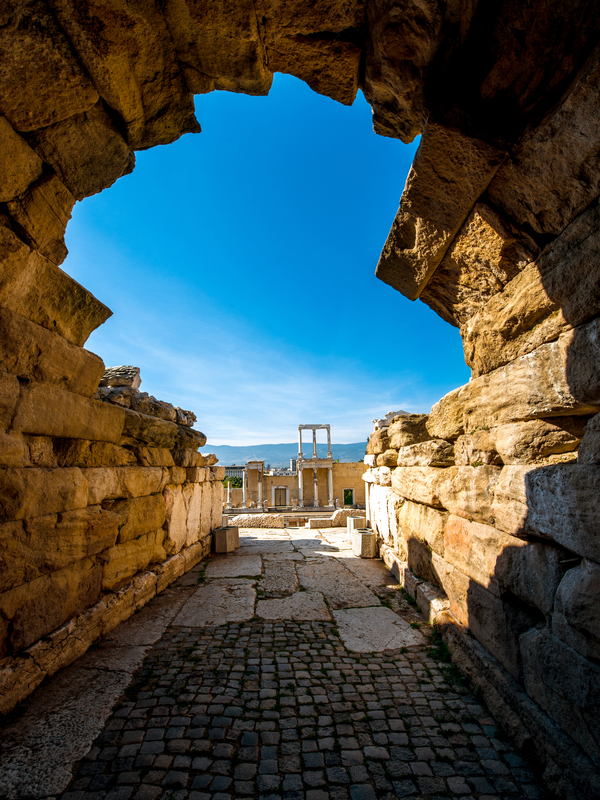
The Old Town of Plovdiv – historical and architectural reserve, the center of cultural, political and enlightenment activities, back in the 18th century during the Bulgarian Revival. In fact, the site is a living museum that displays the architectural brilliance of the Bulgarians, who turned previous houses into museums, art galleries or tourist facilities. Here we will see remnants of the past from the ancient Philippopolis, the old name of Plovdiv - ruins of a Tracian temple which was constructed by the Romans, the Ancient Theatre (the best-preserved amphitheater in the whole Bulgaria), he Roman Stadium which is a replica of the stadium in Delphi, Greece, the Statue of Philip II who ruled the Thracian kingdom back in the 4th century BC, or the The Roman Forum.
Accomodation in Plovdiv.
.jpg)
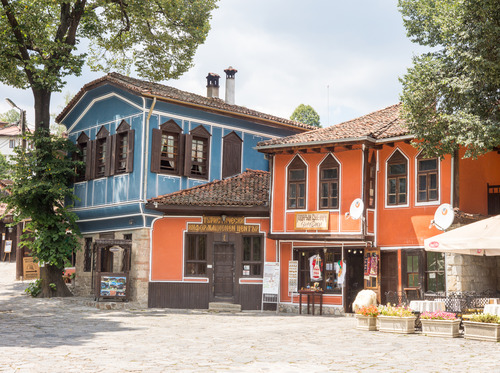
Today we head to Koprivshtitsa village – an architectural reserve that attracts tourists with the delicious local cuisine and beautiful colorful houses. Koprivshtitsa was one of the centers of the April uprising in 1876 against the Ottoman empire. Many of the revolutionaries who took part in it as well as many famous Bulgarian writers were born here, and their homes are turned into house-museums. This place is one of the rare Bulgarian cities that preserved its authentic architecture from the period before the liberation form the Ottoman occupation. Almost one third of the households have been transformed into nice and cozy family hotels, with private natural outdoor seating area and tasty traditional food, some with folk band performance.
Tour and free time to stroll around. Accommodation in Koprivshtitsa.
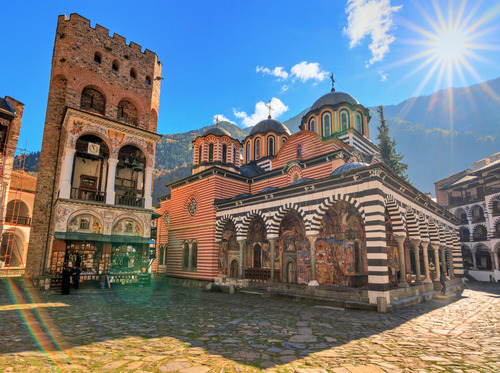
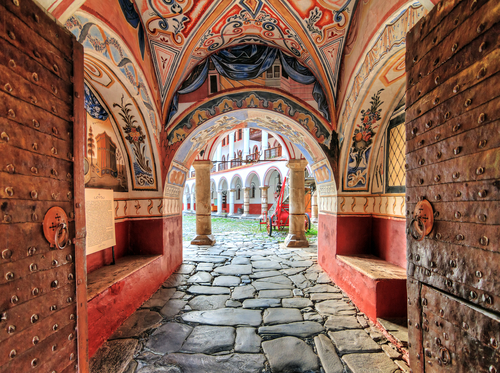
Road takes us to the UNESCO Rila Monastery the largest and most famous Eastern Orthodox monastery in Bulgaria. Viewed from outside, its 24-meter-high walls form an irregular pentagon and it looks like impregnable stronghold (fortress). The Hrelyo’s tower is the oldest building in the monastery, left untouched ever since the establishment of the monastery. The tower was built in 1335 and in times of trouble it has served not only for defense, but as well for residential building for the monks. The main church was built in 1834-1837 and preserve the relics of St. Ivan Rilski. As the architecture, we are looking at at a five-domed, cross-dome building that impresses with its mural paintings and wood-carved iconostases, made by masters from the schools of Bansko and Samokov.
Evening arrival at Sofia, the capital of Bulgaria, for free time and accomodation.
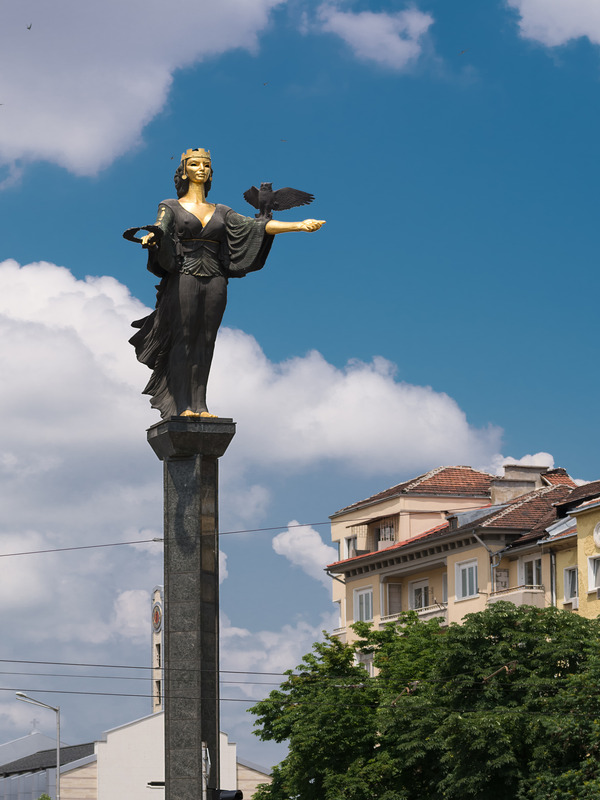
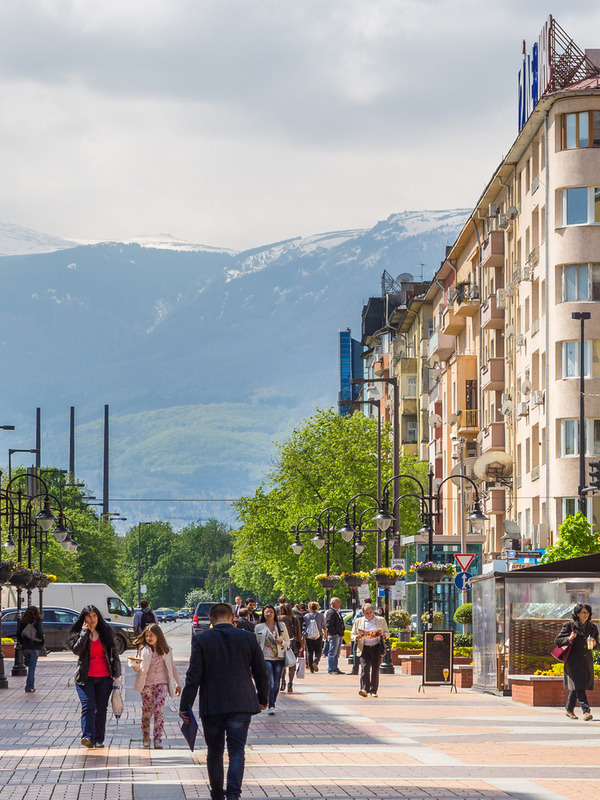
Walking downtown of Sofia we see many archaeological sites and buildings that display the city's diverse history, either Roman, Byzantine, Ottoman, French classic, or the 20th century communist shape - the castle gates and towers of Serdica, public buildings and streets thousands of years old; a large part of the ancient city of Serdica is underneath important modern buildings. For example, the ancient city council is hidden under the Sheraton hotel, while a number of basilicas are below the Hall of Justice. The Roman thermal baths are under the Sofia Mineral Baths and a Roman residence with elaborate mosaics is below the Rila hotel. The luxurios Balkan hotel and the Presidential building were constructed around the ruins and the body of Rotonda, the oldest surviving church in Sofia (330 AD).
The volcanic mountain Vitosha (2290m) overlooking the Bulgaria’s capital, Sofia, the second oldest city in Europe, having a history that goes back to the 7th Century BC, when the Thracian Serdi tribe settled here and gave the first recorded name as Serdica. In the 3rd century AD, the Romans built strong walls around Serdica, their capital of newly established province of Dacia Mediterranea, an important stopping point on the Roman road to Constantinople. Even the great emperor Constantine intended to move the Byzantine capital here (must probably because his mother, St. Elena was born in Serdica), and ancient authors say that he often said, "Serdica is my Rome".
Accommodation in Sofia at the same hotel.
.jpg)
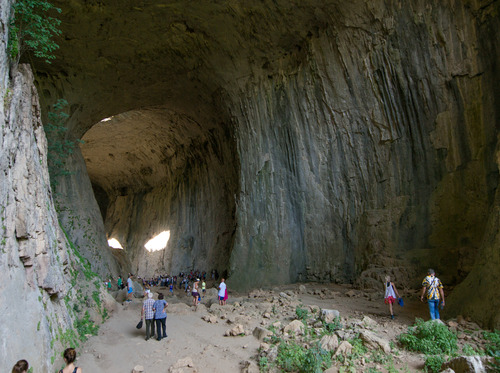
On the way back we see a few wonders of nature in Bulgaria, Devetashka cave and Krushuna waterfalls.
Devetashka cave, a former residential location for human tribes in the Neolithic and late Paleolithic period, then recent used by Hollywood movies and the Cold War era (secret military base), is an immense natural hall with big openings in the ceiling; home for baths now and crossed by a silent fresh rivulet;
Krushuna waterfalls – a series of waterfalls, springs, rapids, and fast cascades, surrounded by a dense forest, fashioning the concrete type (travertine) and limestone rock formation, now part of a Natural Park along Maarata river
Arrive to Bucharest in the evening.
From 1290 EUR/pers
*contact us for a personalized quotation depending on the number of persons
- Professional guide assistance, English speaking (or other languages upon request), during the whole trip;
- Transport by private modern AC car/mini-van (fuel and parking fees incl);
- Airport pick-up/drop-off;
- Accomodation for 5 nights with breakfast.
- Entrance fees to the touristic attractions included in the itinerary;
- Meals, other than those mentioned in the itinerary;
- Other expenses (such as souvenirs, room service, tips and so on)
- Photography fee.
Adventure, bike and eco tours
Wine and gastronomy tours


.png)








Adventure, bike and eco tours
Wine and gastronomy tours